






Docker Certified Associate (DCA)

The Docker Certified Associate (DCA) certification is a globally recognized credential that validates your skills and expertise in containerization using Docker. Tailored for IT professionals with some Docker experience, this certification bridges the gap between foundational container knowledge and advanced orchestration practices using Docker technologies. It serves as an essential milestone for DevOps engineers, system administrators, and software developers aiming to showcase their Docker proficiency in a professional setting.

Upcoming Batches

Program Induction

Jaunary-28th

08:30 AM to 11:30 AM (IST)

SAT & SUN (12 WEEKS) Weekend Batch

Regular Classes

Jaunary-30th

10:00 AM to 11:00 AM (IST)

MON – FRI (75 DAYS) Weekdays Batch

Why Join this Program

Expert Trainers

Instructor-led live sessions with Docker experts.

Hands-on Labs

Hands-on labs and practical exercises

Flexible Learning Options

Certification guidance and interview preparation

Career Support

24/7 support and access to recorded sessions

Admission Closes on 15th Mar

Days
Hours
Minutes
Seconds

Corporate Training

Enterprise training for teams

Fast-track Your Career

Emax Technologies empowers learners with industry-relevant skills, leading to career advancements, better job opportunities, and higher salary growth.

Learner’s achievements

Maximum salary hike

150%

Average salary hike

70%

Hiring partners

2900+

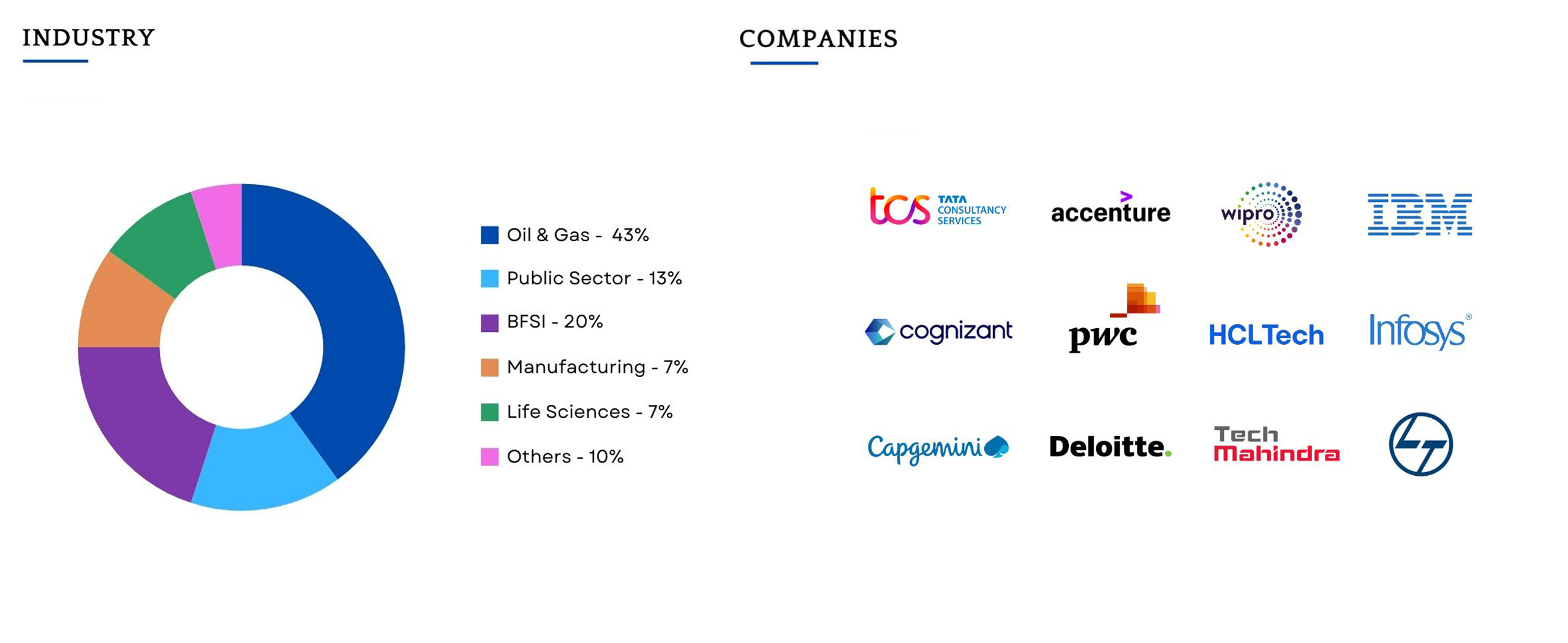
Our Alumni In Top Companies

Best Docker Certified Associate (DCA) Training in Hyderabad

This Docker Certified Associate (DCA) training course is designed to provide you with a solid foundation in Docker and containerization technologies. Whether you’re new to containers or looking to formalize your Docker knowledge, this course offers in-depth, practical guidance that prepares you to ace the DCA exam and apply Docker effectively in your work.

Key Features of an Docker Certified Associate (DCA)

Introduction to Docker Certified Associate (DCA)

Accelerate your DevOps journey with the Docker Certified Associate (DCA) certification program from Emax Technologies. This industry-recognized training is designed to help you master containerization fundamentals and advanced Docker concepts. You’ll gain hands-on experience in building, deploying, and managing containerized applications in real-world environments. By applying best practices in Docker architecture, networking, and security, you’ll be prepared to streamline development workflows, enhance system scalability, and support cloud-native transformations across enterprises.

Powered by Emax Technologies

11+ Skills Covered

2 Tools Covered

Industry Projects

An Immersive Learning Experience

Peer to Peer Engagement

Get the real classroom experience. Interact with learners and engage with mentors in real-time via Slack.

Flexi Learn

Missed a class? Access recordings to always maintain learning progress and keep up with your cohort.

Mentoring Session(s)

Expert guidance sessions from mentors for doubt clarifications, project assistance, and learning support.

Learning Support

Get a dedicated Cohort Manager for all your queries and help you succeed at every learning step.

Orchestration Training Course Overview

Course Content

  1. Docker Swarm Mode:
    1. Initialize and manage a swarm cluster
    2. Add/remove nodes
    3. Promote/demote manager and worker nodes
  2. Service Operations:
    1. Deploy services
    2. Update services using rolling updates
    3. Scale services up/down
    4. Drain nodes and reschedule services
  3. Stacks and Compose:
    1. Use Docker Compose with multiple containers
    2. Deploy using docker stack
  4. Swarm Management:
    1. Node labeling and constraints
    2. High availability and failover
  1. Dockerfiles:
    1. Write and optimize Dockerfiles
    2. Use multi-stage builds
  2. Image Management:
    1. Tagging and versioning
    2. Removing unused images
    3. Layer caching and reuse
  3. Registries:
    1. Use Docker Hub and private registries
    2. Authenticate with registries
    3. Push and pull images
  4. Content Trust:
    1. Enable Docker Content Trust (DCT)
    2. Sign and verify images
  1. Docker Installation:
    1. Install Docker CE/EE on various OSes (Linux, Windows, cloud)
  2. Configuration:
    1. Configure Docker daemon (daemon.json)
    2. Configure storage drivers and logging
  3. Client/Server Configuration:
    1. Use CLI to interact with the Docker daemon
    2. Set up secure access via certificates
  4. User Management:
    1. Configure Docker groups and access control
  5. Backup & Restore:
    1. Backup Docker volumes, images, and configurations
  1. Network Drivers:
    1. Bridge, host, overlay, none, macvlan
  2. Custom Networks:
    1. Create user-defined bridge and overlay networks
    2. Inspect and troubleshoot networks
  3. DNS & Port Mapping:
    1. Container DNS resolution
    2. Expose container ports using -p and –publish
  4. Networking in Swarm:
    1. Use ingress and overlay networks
    2. Service discovery and internal load balancing
  1. Access Control:
    1. RBAC (Role-Based Access Control)
    2. LDAP/Active Directory integration
  2. Docker Content Trust (DCT):
    1. Use Notary to sign and verify images
  3. Daemon Security:
    1. Use TLS to secure Docker API
    2. Configure certificate-based authentication
  4. Swarm Security:
    1. Encrypt node communication (Mutual TLS)
    2. Auto-lock managers
  5. Image Scanning:
    1. Use security scanning tools for vulnerabilities
  1. Volumes:
    1. Create and mount named volumes
    2. Share data between containers
  2. Bind Mounts vs Volumes:
    1. Use cases and differences
  3. Volume Drivers:
    1. Use plugins for external storage
  4. Persistent Storage in Swarm:
    1. Use constraints and configs to manage volume persistence
  5. Cleanup:
    1. Remove unused volumes and images

Request more information

    Program Trainers

    Sasank raj

    Sr. SAP PI/PO Consultant

    18+ Years of Experience

    Companies Hiring

    Batch Profile

    This program caters to working professionals from a variety of industries and backgrounds; the diversity of our students adds richness to class discussions and interactions.

    Testimonial

    The Gen AI module was an eye opener for me. The mentor’s teaching style in the weekend sessions was spot on. While there’s a lot of Gen AI content online, this module stood out for its structured approach and the mentor’s interactive guidance. It made learning about AI easy, even for beginners like me.

    Ashif Khan

    Lead Consultant

    Reviews

    Excellent training experience from EMAX Technologies. I took the SAP PI/PO and it was a great experience . I liked trainer sessions as he was more focused on practical rather than theory and helped answer all the queries during the sessions. . Support staff is excellent and very professional, the amount of time they spend with each customer is really appreciated. Keep up the great work!..Great work done by guys like U………!!!!!!!!!!!!!!!!


    Sripal

    SAP PI/PO training is excellent. Classes were well organized and hands-on. Trainer knew their subject matter, and patient.

    Madhusudhan

    Undergone SAP PI training. Course content is covered properly and had a good hands on. (PI require lot of hands on). Good support from staff. Overall very satisfied with faculty, staff, lab etc., PI Faculty

    Raviteja

    Frequently Asked Questions

    You will never miss a lecture at Emax You can choose either of the option: View the recorded session of the class available in your LMS.

    Your access to the Support Team is for lifetime and will be available 24/7. The team will help you in resolving queries, during and after the course.

    Post-enrolment, the LMS access will be instantly provided to you and will be available for lifetime. You will be able to access the complete set of previous class recordings, PPTs, PDFs, assignments. Moreover the access to our 24×7 support team will be granted instantly as well. You can start learning right away.

    Yes, the access to the course material will be available for lifetime once you have enrolled into the course.